white
bílý, bílá, bělostný
bílek, vaječný bílek
- Top 1000
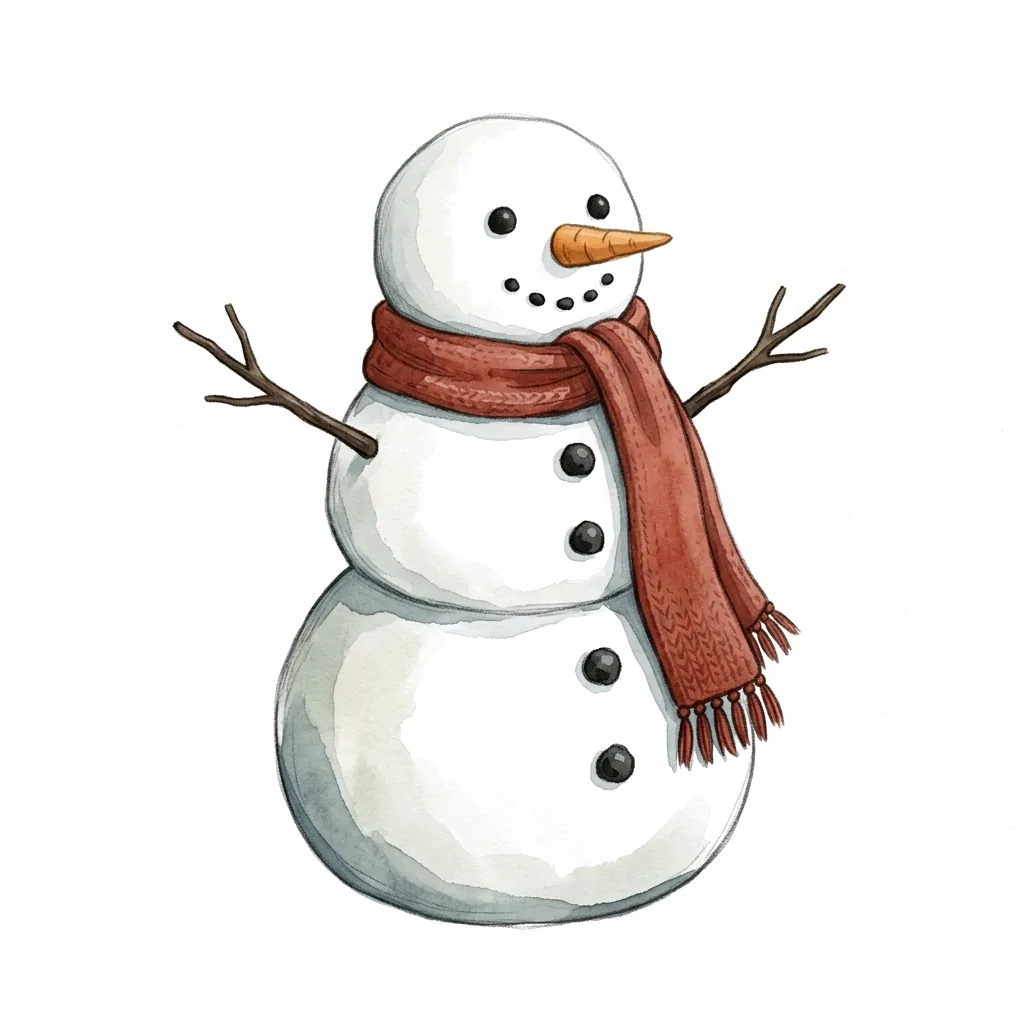
Význam 1
bílý, bílá (v ženském rodě), bělostný (knižně, o zářivě bílé)
- přídavné jméno
- A1
having the colour of fresh snow or milk, the lightest of all colours.
mající barvu čerstvého sněhu nebo mléka, tedy nejsvětlejší ze všech barev.
Fresh snow turned every roof in the village white.
Čerstvý sníh zbarvil každou střechu ve vesnici do běla.
Her hair went white soon after she turned sixty.
Vlasy jí zbělely krátce po šedesátce.
We painted the ceiling white to make the room brighter.
Natřeli jsme strop na bílo, aby byla místnost světlejší.
Wash the white towels separately from the coloured ones.
Bílé ručníky per zvlášť od barevných.
Časté spojení: pure white · bright white · snow-white · white paint · white wine · paint something white
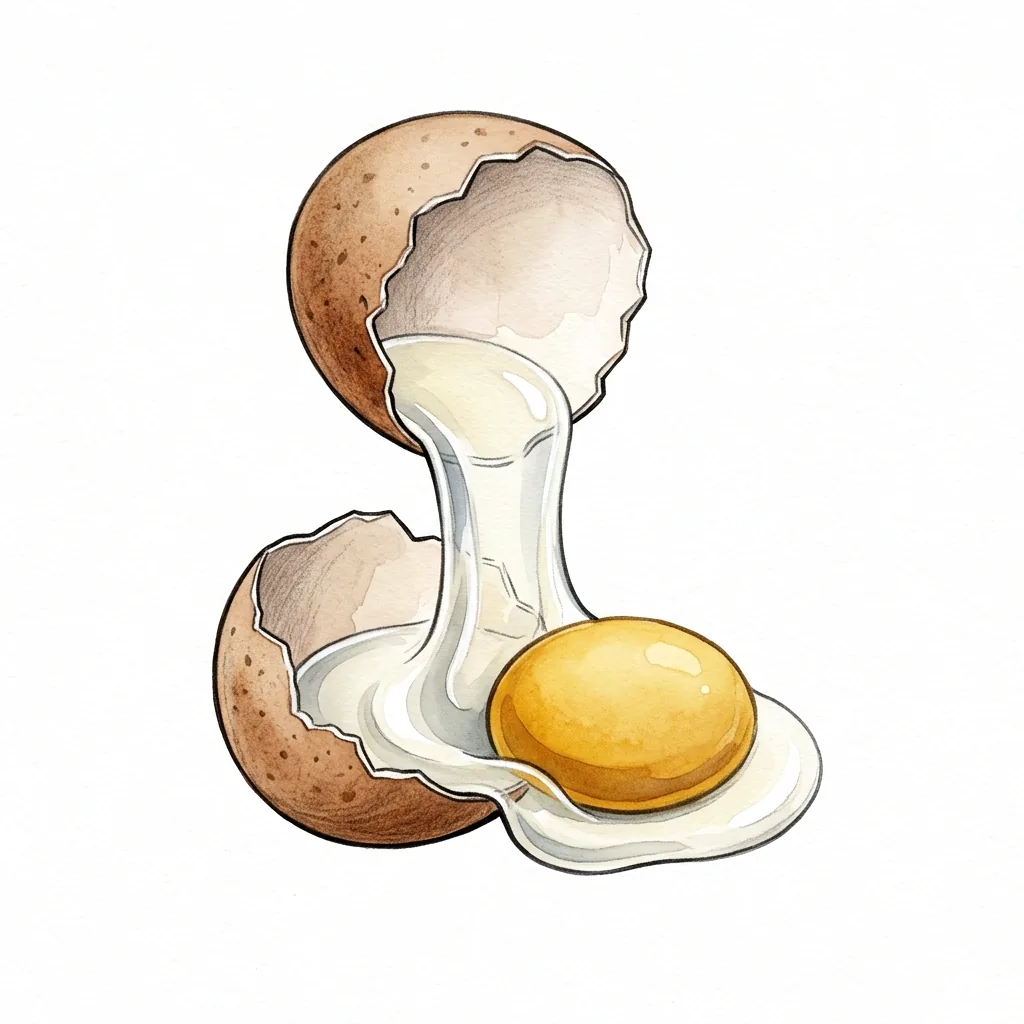
Význam 2 · méně častý
bílek, vaječný bílek
- podstatné jméno
- A1
the clear liquid part of an egg around the yellow middle, which turns white when cooked.
průhledná tekutá část vejce kolem žloutku, která při tepelné úpravě zbělá.
Separate the eggs and beat the whites until they stiffen.
Oddělte vejce a bílky šlehejte, dokud neztuhnou.
The white of the egg turned cloudy in hot water.
Bílek se v horké vodě zakalil.
She eats only the whites and gives the yolks away.
Jí jenom bílky a žloutky rozdává.
Časté spojení: egg white · beat the whites · whisk the egg whites · separate the whites from the yolks
Tvary
- plural
- whites
- comparative
- whiter
- superlative
- whitest
Jak se to používá
Když mluvíš o barvě samotné, white stojí bez členu a bez podstatného jména: she always wears white (nosí bílou), the walls are painted white. V britské angličtině znamená white coffee kávu s mlékem, ne bílou kávu. A the whites of his eyes je bělmo.